Accepting new client consultations this week
5.0/5.0 Stars205 five-star Google reviewsWebsite Design · Small Business
Affordable Web Design Without Skipping the Essentials
Affordable web design starts with choosing the right work, not stripping away everything that makes a website useful. A small business often needs a clear explanation of its services, evidence that it is legitimate and a simple way to ask for help. A focused site can deliver those essentials without unnecessary page types, complicated integrations or decorative features that are hard to maintain.
Prime Media Consulting, based in Temecula, CA, serves small businesses across the U.S. We plan affordable website design for small business owners around practical requirements and realistic ownership responsibilities. Your consultation helps separate launch essentials from ideas that can wait, with an explanation of how content, design choices, hosting and care affect the overall scope.
Get a free proposalOfficial GoHighLevel Certified Partner
- Free consultation and custom proposal
- Websites, SEO, CRM, social and print under one roof
- Local team with offices in 7 states
- Clear monthly reporting — no long-term surprises
205+
5-star reviews
29
Offices
17
Industries
1 hr
Free strategy call
"Rated Excellent across 205+ Google reviews — local businesses trust Prime Media to bring in more calls, leads and customers."
Book your free consultation
Affordable Web Design
Website goals and page requirements
SMS consent is optional and is not a condition of purchase. If you separately opt in, Prime Media Consulting may send automated marketing and appointment messages. Message frequency varies. Message and data rates may apply. Reply STOP to opt out or HELP for help. Privacy Policy · Terms. Providing a phone number or booking alone does not authorize marketing texts.
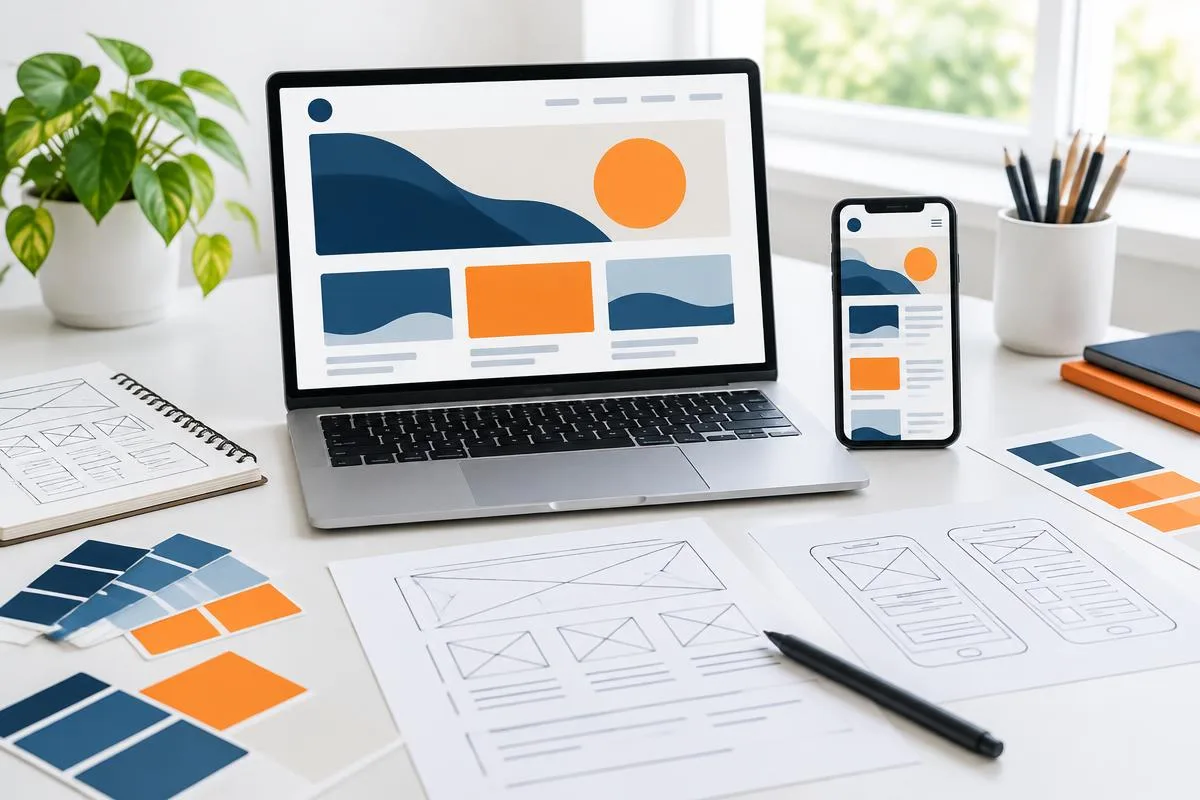
How can a small business keep website design affordable?
Quick answer
Prime Media Consulting in Temecula, CA helps small businesses control website scope with focused sitemaps, useful owner-supplied content and thoughtful design choices. Mobile usability, accessibility, security and SEO basics remain part of planning, not optional shortcuts. Call 866-813-8650 to discuss a practical website consultation.
Start With a Sitemap You Can Actually Maintain
A sitemap is the list of pages your website needs. Start with the questions a visitor must answer: Is this the right service? Does this business serve my area? What happens when I contact them? One strong page for a distinct service is often more useful than several short pages that repeat each other without adding detail.
Our website design services start with that structure. We discuss the pages needed for launch and avoid adding a blog, resource library or complex booking flow simply because another company has one. Every additional page creates writing, review and maintenance work, so it should have a clear purpose for your customers.
Three Ways Owners Can Reduce the Project Scope
Bring Accurate Content
Gather service descriptions, approved staff biographies, business hours and answers to common questions before writing begins. Rough notes are useful when they are accurate. Clear source material reduces uncertainty and avoids repeated revisions caused by discovering late that a service or policy was described incorrectly.
Use Your Own Good Photos
Real photos can explain your team, work and location better than generic imagery. Supply original files you have permission to use, with notes about what each image shows. Avoid screenshots, copied competitor images or pictures containing private customer information. Image selection still needs attention to quality, size and accessibility.
Choose One Approval Lead
Give one person responsibility for gathering feedback and approving decisions. Conflicting comments from several people can create unnecessary rounds of changes. A shared checklist for pages, calls to action and business facts helps keep reviews focused on customer needs rather than personal design preferences.
Templates and Custom Design Solve Different Problems
A template-based starting point can reduce layout work when your content fits a familiar structure. It still needs thoughtful navigation, accessible controls, image preparation and careful mobile testing. A template is not a finished website, and choosing one with features you do not need can add clutter rather than save effort.
Custom design allows more freedom for unusual content, brand requirements or customer workflows. That flexibility requires more decisions and review. We explain the tradeoffs instead of assuming every business needs a fully custom layout. The practical question is whether the design supports your information and tasks, not whether every visual element was created from scratch.
Low cost web design is most useful when the boundaries are clear. Ask which layouts can be reused, what content you supply and what happens if the sitemap changes. Knowing those limits early is more helpful than comparing proposals that use the same word but include very different work.
Affordable Does Not Mean Cutting the Basics
Cheap website design becomes a poor value if customers cannot read the page, use the menu or submit a form. We treat mobile usability, sensible loading performance, accessibility, SEO basics and secure connections as foundational requirements. These are not decorative upgrades to consider only after the site looks finished.
Accessibility is part of how we build, using ADA considerations and WCAG 2.2 AA as a design and testing target. Keyboard access, meaningful headings, sufficient contrast, labeled forms and useful alternative text deserve attention from the start. Our accessibility services explain supporting tools and ongoing work; software alone is not a substitute for accessible design or a legal assurance.
- Mobile: check navigation, text size, tap targets and forms on narrow screens, not just a desktop preview.
- Speed: resize images, limit unnecessary scripts and avoid heavy effects that do not help visitors complete a task.
- SEO basics: use clear titles, readable page structure, indexable content and accurate business details.
- Security: maintain SSL, appropriate account permissions and a plan for software updates and backups.
Build in Phases Without Creating a Dead End
A phased build can launch the essential pages first, then add features after the basic site is working and responsibilities are clear. The initial structure should leave room for additions without requiring a complete rebuild. We discuss future needs during planning, even when those features are intentionally excluded from the first scope.
For example, a business might begin with service information and a straightforward inquiry form rather than a complex customer portal. That is a planning example, not a prescribed sequence for every company. If your current site already contains valuable pages, a focused website redesign may be more appropriate than starting over and discarding useful material.
Understand Hosting and Care Before You Approve
Design is only one part of ownership. A live website needs hosting, domain access, backups, security attention and someone responsible for content changes. Ask which responsibilities are included and which remain with you. Keeping a site affordable means understanding ongoing care, not simply finding the smallest initial project scope.
Our website hosting services can be discussed alongside the build. You should know who controls the domain, how updates are requested and what happens if an integration stops working. We also identify third-party services that may have separate terms, so optional features do not become unexpected operational obligations.
A useful handoff explains the routine tasks your team will handle and the changes that require assistance. It should be possible to update hours or a service description without guessing which parts of the site are safe to edit. Ownership clarity is an important part of value, even though it is less visible than the design.
From a Practical Brief to a Usable Website
Step 1: Define the essential customer tasks
We discuss who visits the site and what they need to do before contacting you. This creates a practical brief for navigation, service pages and forms rather than a wish list of unrelated features.
Step 2: Agree on pages and source material
We identify the launch sitemap and assign responsibility for text, photos and approvals. Missing material is flagged early so the design does not depend on information nobody has agreed to supply.
Step 3: Select the right design approach
We explain where reusable layouts make sense and where custom treatment is justified. The scope records the agreed features and optional additions so budget decisions stay connected to specific work.
Step 4: Build and check the essentials
We develop the approved pages and review mobile behavior, accessibility, loading performance, SEO basics and form handling. Business details and customer-facing instructions are checked with you before the site goes live.
Step 5: Launch with a care plan
We explain hosting responsibilities, account access and routine updates. Future phases remain separate decisions, allowing the first version to stay focused while preserving a sensible path for additions when they become useful.
Related Services
Start With a Free Consultation
Request a free consultation and bring your must-have pages, existing photos and questions about ongoing care. Use the proposal form at the bottom to explain what your current site cannot do and who will approve the new content. We can discuss a focused launch scope, optional later phases and the responsibilities that keep an affordable website useful after launch.
Marketing for the customers you serve
Make it easy for homeowners to choose you
Connect neighborhood search pages, project photos and genuine customer reviews to estimate requests. Keep homeowner inquiries organized, clarify service areas and follow up only through channels customers have agreed to use.
Affordable Web Design near you
Pairs well with
Are you ready to grow your business?
Contact us to work with a results-driven digital marketing agency

Frequently asked questions
Cost depends on scope, your market, competition and the content or functionality required. Request a free consultation to discuss a right-sized build and any separate hosting or care responsibilities.
No. A website cannot promise leads or sales. We focus on clear information, usable design and dependable contact paths, with measurement appropriate to your setup.
Not necessarily. Affordable means choosing a sensible scope while keeping essential quality. An inexpensive build that leaves out mobile usability, security or accessibility can create more work later.
Yes. Accurate, approved content and original photos you have permission to use can simplify the project. We still review how that material works within the page structure.
Not automatically. Content, images, typography and thoughtful layout choices influence the result. A template is a starting point, and its suitability matters more than the label.
Yes. We can plan a structure that supports later additions. New features or pages need their own review so changes do not undermine navigation, accessibility or maintenance.

Prime Media Consulting
Discuss your project